

Introduction
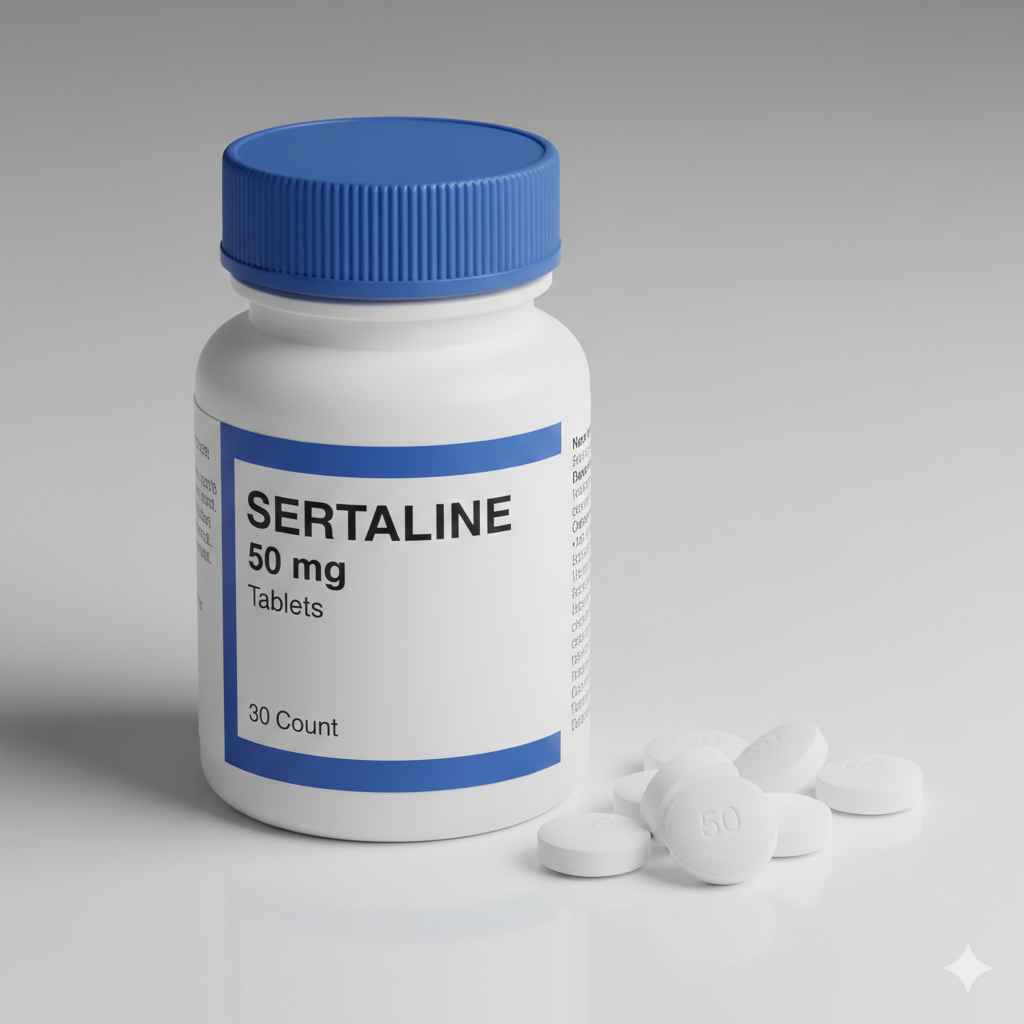
Sertraline 50 mg is one of the most widely prescribed antidepressants in the world. It belongs to a class of medications known as SSRIs (Selective Serotonin Reuptake Inhibitors). Doctors use Sertraline to treat depression, anxiety disorders, OCD, PTSD, social anxiety disorder, and panic attacks. Because of its balanced strength and safety profile, 50 mg is the most common therapeutic starting dose.
This complete blog explains everything you need to know about Sertraline 50 mg — how it works, who should use it, how long it takes to show results, its benefits, dosage chart, side effects, interactions, and long-term safety. This is a beginner-friendly, royalty-free guide designed for educational and SEO purposes. GHRP-6 + CJC: Benefits, Dosage, and Stack for Muscle Growth
What is Sertraline 50 mg?
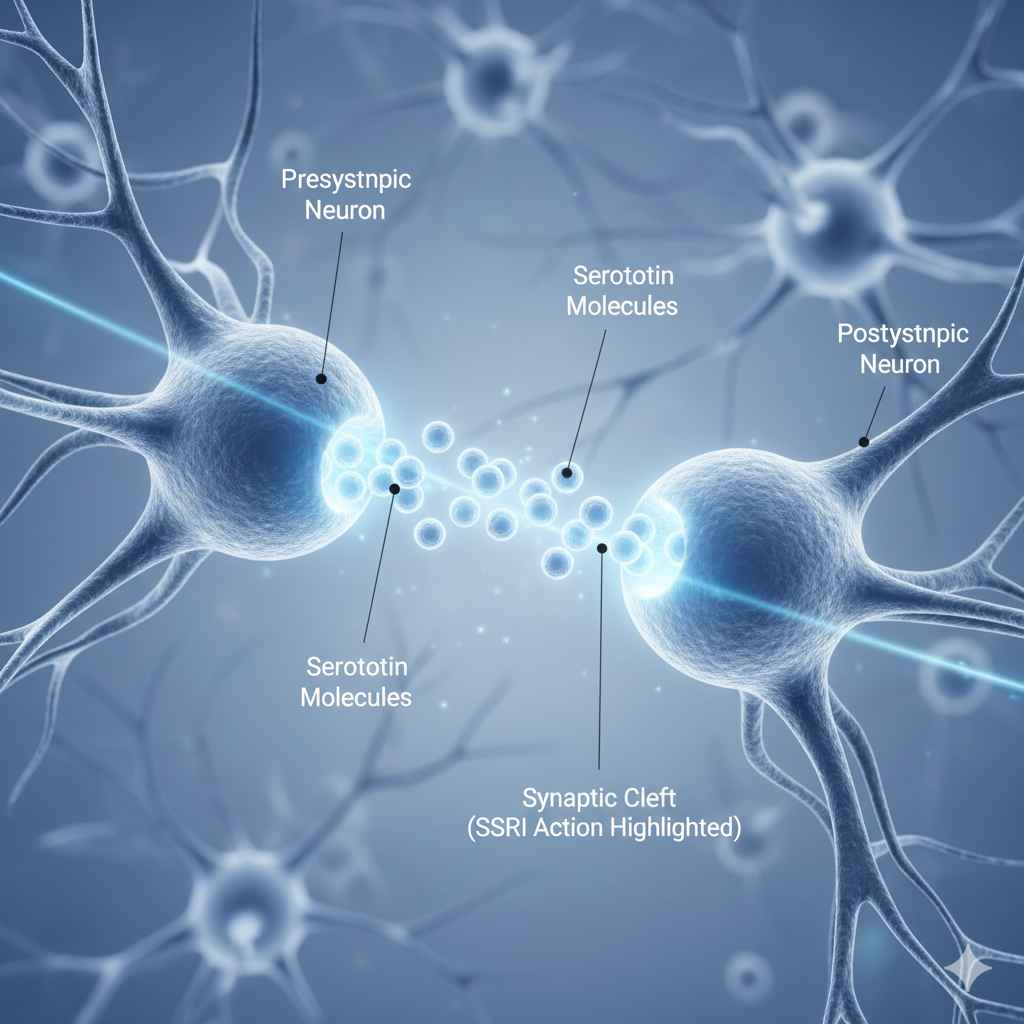
Sertraline 50 mg is an SSRI medication that increases the availability of serotonin in the brain. Serotonin is a neurotransmitter responsible for mood regulation, sleep, emotional control, and motivation. When serotonin levels are low or uneven, people may experience anxiety, depression, irritability, panic attacks, and obsessive thinking.
Sertraline helps restore balance, leading to a more stable emotional state.
How Sertraline 50 mg Works
Sertraline works by selectively blocking the reuptake of serotonin in the brain. Instead of serotonin being quickly absorbed by nerve cells, Sertraline allows more of it to remain active for a longer period.
This results in:
- Improved mood
- Reduced anxiety
- Reduced frequency of panic attacks
- Better emotional response
- Improved sleep cycle
- Fewer intrusive or obsessive thoughts
Sertraline does not produce a “high” and is not addictive. Its effects build gradually over several weeks. CJC-1295 Peptide: Benefits, Dosage, & Results
What Sertraline 50 mg Is Used For
1. Depression (Major Depressive Disorder)
Sertraline reduces sadness, fatigue, loss of interest, irritability, and lack of energy. It improves overall mood and motivation.
2. Generalized Anxiety Disorder (GAD)
It reduces constant worry, nervousness, restlessness, and physical symptoms like a racing heart or tension.
3. Panic Disorder
Sertraline helps reduce the intensity and frequency of panic attacks. Starting at a lower dose (25 mg) for one week is common.
4. Obsessive Compulsive Disorder (OCD)
Sertraline controls intrusive, repetitive, and obsessive thoughts. Higher doses may be needed.
5. Post-Traumatic Stress Disorder (PTSD)
It helps with hyperarousal, emotional instability, flashbacks, nightmares, and irritability.
6. Social Anxiety Disorder
Sertraline helps reduce fear of judgment, performance anxiety, and social discomfort.
Benefits of Sertraline 50 mg
Sertraline 50 mg offers multiple mental health benefits:
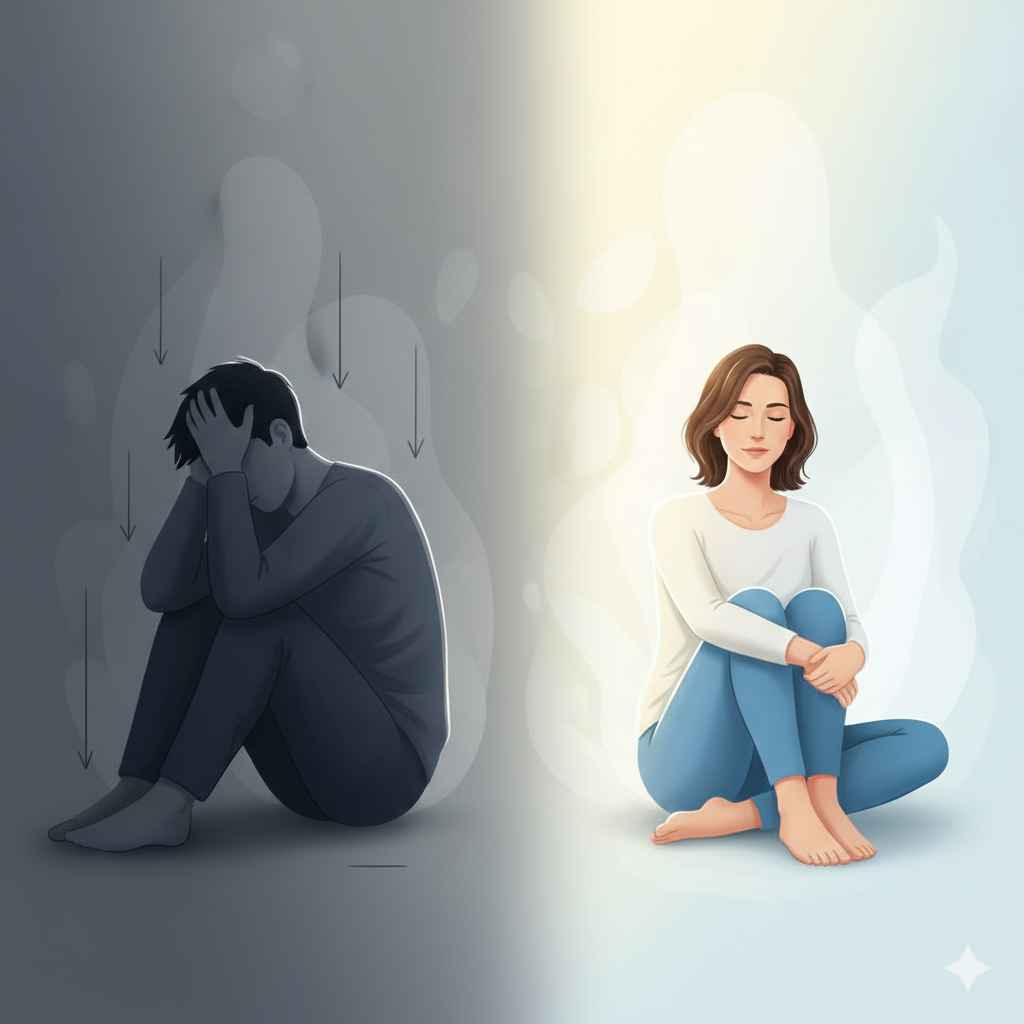
- More stable mood
- Reduction in depressive symptoms
- Lower anxiety levels
- Improved sleep and energy
- Fewer panic episodes
- Improved focus
- Better emotional balance
- Reduction in OCD symptoms
- Decrease in irritability and overthinking
Most people start noticing improvements between 2–6 weeks.
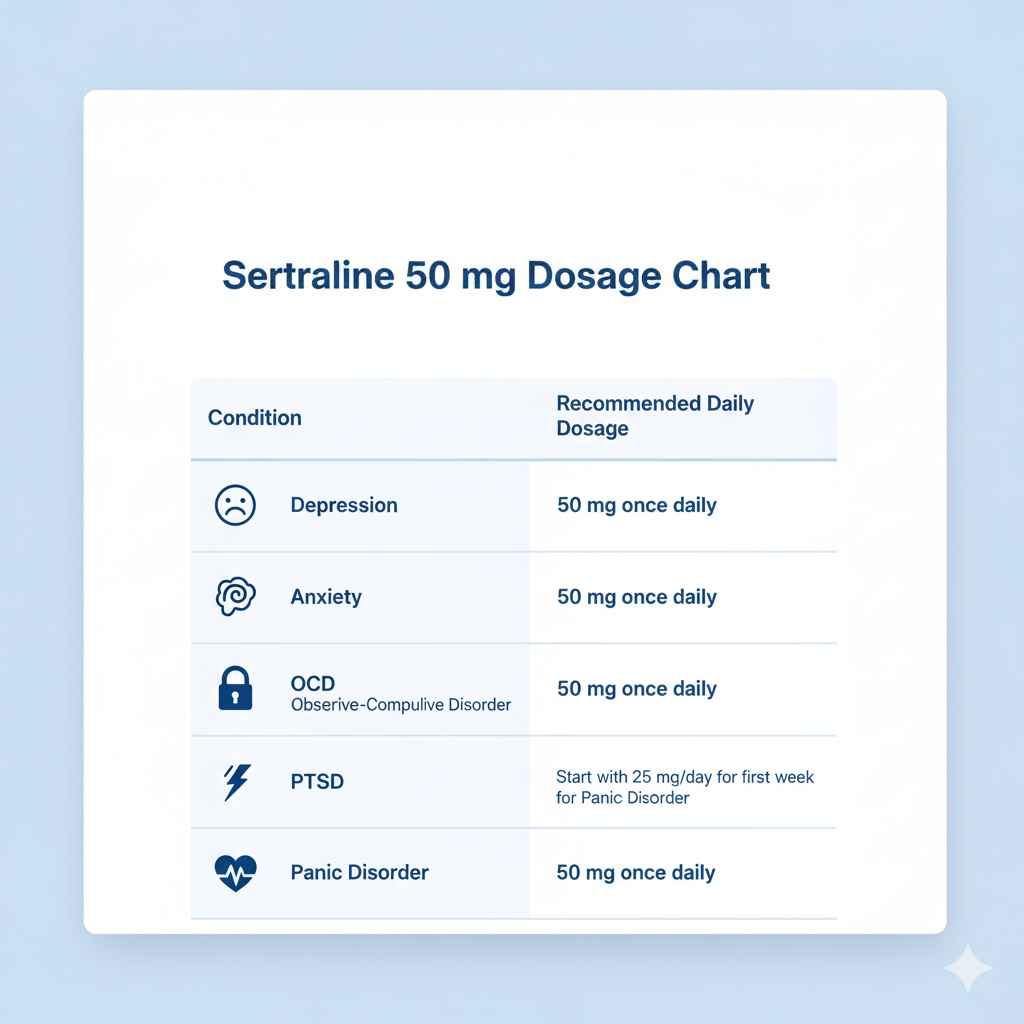
Sertraline 50 mg Dosage Guide
Sertraline is commonly taken once per day, with or without food. Consistency is more important than the exact timing.
Recommended Timing
- If it makes you energetic in → morning.
- If it makes you sleepy → night.
Choose one time and stick to it daily.
Sertraline Dosage Chart
| Condition | Starting Dose | Effective Dose Range | Maximum Dose | Notes |
|---|---|---|---|---|
| Depression | 50 mg/day | 50–100 mg/day | 200 mg/day | Most patients respond at 50–100 mg |
| Generalized Anxiety Disorder | 25–50 mg/day | 50 mg/day | 200 mg/day | Start at 25 mg if sensitive |
| Panic Disorder | 25 mg/day (week 1) | Increase to 50 mg/day | 200 mg/day | Starting low reduces initial anxiety |
| Social Anxiety Disorder | 25–50 mg/day | 50–150 mg/day | 200 mg/day | Increase gradually |
| OCD | 50 mg/day | 100–200 mg/day | 200 mg/day | Higher doses often needed |
| PTSD | 25–50 mg/day | 50–150 mg/day | 200 mg/day | Adjust based on symptoms |
How Long Does Sertraline 50 mg Take to Work?
Sertraline does not work instantly. It builds gradually.
- Week 1–2: Mild effects, possible side effects
- Week 2–4: Anxiety reduction begins
- Week 4–6: Mood improvement starts
- Week 6–12: Full therapeutic effect
Patience is essential because the brain needs time to adjust its serotonin levels. Peptides for Bodybuilding: A Complete Beginner’s Guide
Side Effects of Sertraline 50 mg
Most side effects are mild and temporary.
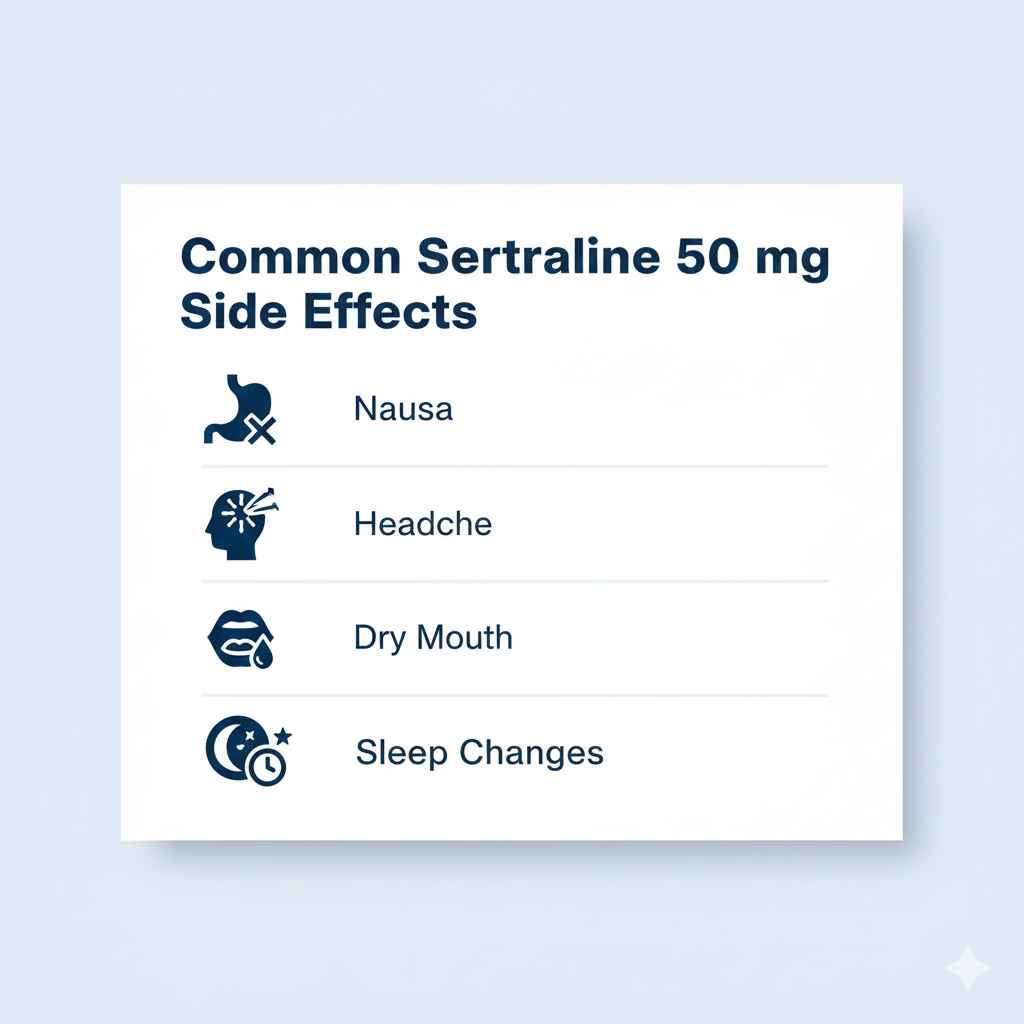
Common Side Effects
- Nausea
- Headache
- Dry mouth
- Mild insomnia or sleepiness
- Reduced appetite
- Loose stools
- Sexual side effects
- Sweating
- Dizziness
These usually improve within 1–2 weeks.
Serious but Rare Side Effects
Seek medical help if you experience:
- Extreme agitation
- Suicidal thoughts
- Rapid heartbeat
- High fever
- Severe muscle stiffness
- Confusion
These may indicate serotonin syndrome (very rare).
Who Should Avoid Sertraline?
Use caution or avoid if you have:
- Bipolar disorder
- Seizure disorders
- Severe liver problems
- Are taking MAO inhibitors
- Uncontrolled hypertension
- Pregnancy or breastfeeding (doctor consultation required)
Sertraline Interactions
Avoid combining Sertraline with:
- Alcohol
- MAO inhibitors
- Tramadol
- Stimulants
- Other antidepressants without a doctor’s supervision
- Recreational drugs
Combining substances can increase the risk of serotonin syndrome or worsen side effects. Steroid for Bodybuilding: Complete Guide
Sertraline 50 mg and Bodybuilding / Fitness
A common question is whether Sertraline affects muscle gain, testosterone, or performance.
Here’s the truth:
- It does not affect testosterone levels.
- It does not block muscle growth.
- It may cause low energy in the first 1–2 weeks.
- After mood stabilizes, motivation often improves.
With a proper workout and diet routine, Sertraline does not hinder fitness progress.
Is Sertraline 50 mg Safe for Long-Term Use?
Yes. Sertraline is considered safe for long-term use under medical supervision. Many patients stay on it for 6–12 months, while some require longer therapy depending on symptoms.
Stopping suddenly may cause withdrawal symptoms such as dizziness, irritability, and headaches. Always taper slowly with your doctor’s guidance. TB-500 BPC-157 Stack Results: Recovery Timeline & Before/After
Frequently Asked Questions (FAQ)
1. Can I drink coffee while taking Sertraline?
Yes, caffeine does not interact with Sertraline.
2. Can Sertraline cause weight gain?
Weight gain is possible but uncommon. Many people experience no change.
3. Can I stop Sertraline suddenly?
No. Stopping suddenly may cause withdrawal symptoms.
4. Is Sertraline addictive?
No. Sertraline does not create dependence.
5. What if I miss a dose?
Skip the dose and take the next one at your normal time. Never double-dose.
6. How long should I take Sertraline?
Typically 6–12 months for anxiety and depression, longer for OCD/PTSD.
Conclusion
Sertraline 50 mg is one of the most trusted antidepressants for managing depression, anxiety, OCD, PTSD, and panic disorders. It works by balancing serotonin levels, leading to improved mood, emotional stability, and reduced anxiety. With proper dosage, patience, and medical supervision, it provides excellent long-term results for most individuals.
If you are considering Sertraline or are currently taking it, understanding its dosage, side effects, interactions, and timeline can help you experience the best outcomes.
For more personalized help, guidance, or clarifications, you can contact me anytime on WhatsApp: +91-7696593279.



Right now it appears like Expression Engine is
the preferred blogging platform out there right now.
(from what I’ve read) Is that what you are using on your
blog?
Feel free to surf to my page; exness